
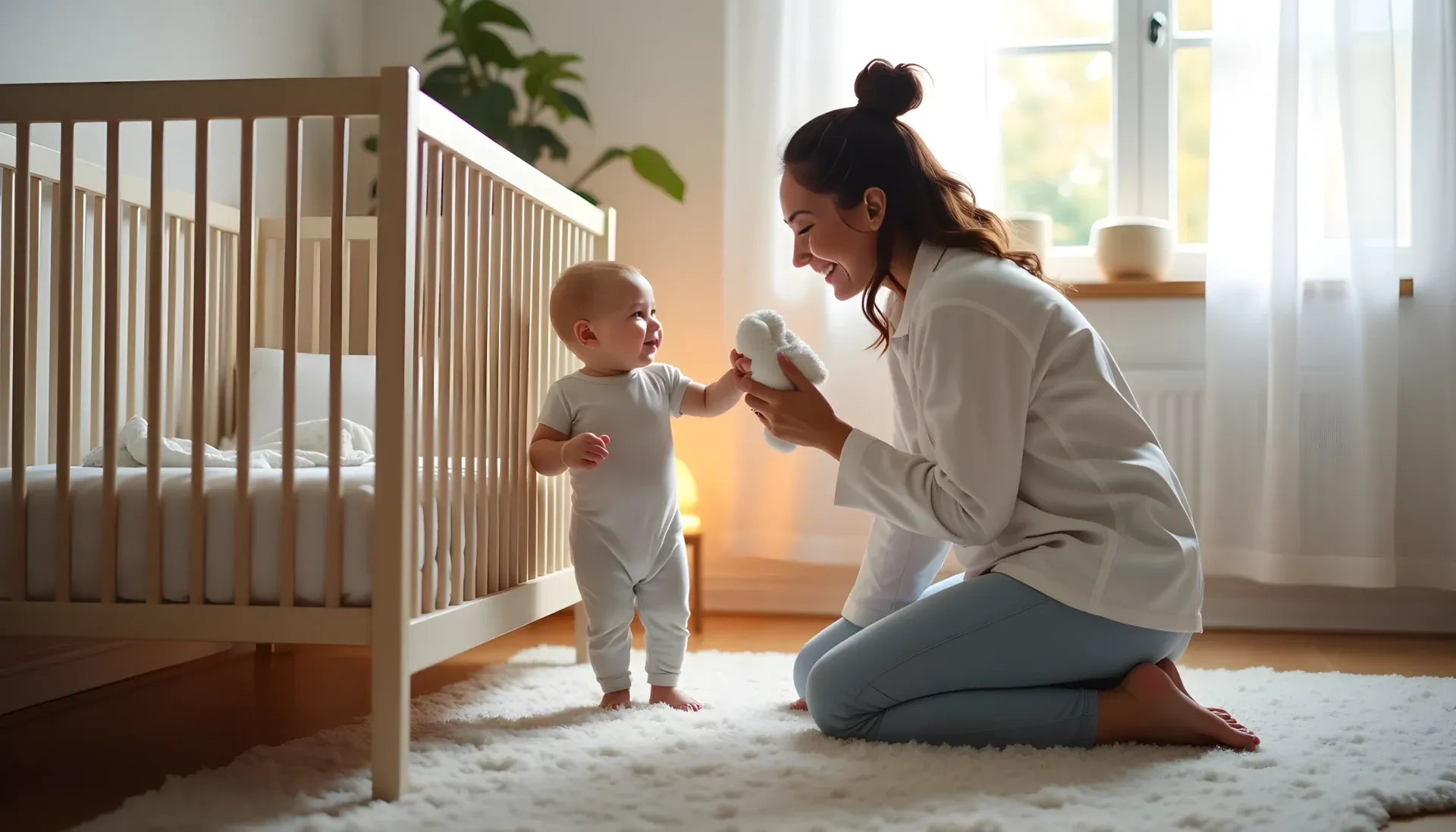
Learn what baby separation anxiety is, when it starts, and how to ease your baby's stress. Discover gentle techniques to support your little one. Read more now!
Understanding Baby Separation Anxiety
Separation anxiety is a normal stage of emotional development in babies, typically appearing between 6 and 12 months of age. While it can be heart-wrenching for parents to see their child distressed at their absence, this phase is a sign that your baby is forming healthy attachments and learning about the world around them. Understanding why separation anxiety happens, what to expect, and how to gently support your baby can make this transition smoother for everyone.
What Is Baby Separation Anxiety?
Baby separation anxiety refers to the distress infants and toddlers feel when separated from their primary caregivers. As babies become more aware of their surroundings and develop strong attachments, they start to realize that people and objects exist even when out of sight. This cognitive milestone, known as object permanence, is a key trigger for separation anxiety.
According to the American Academy of Pediatrics (AAP), separation anxiety is a normal part of development, peaking between 10 to 18 months but often starting as early as 6 months. It usually fades by the age of 2 years as children become more comfortable with brief separations and gain confidence in their caregivers’ return.
When Does Separation Anxiety Start?
Separation anxiety can begin as early as 6 months, with most babies showing signs around 8 to 12 months. This timing coincides with major developmental leaps, such as increased mobility (crawling or cruising) and a surge in cognitive skills.
Signs of Separation Anxiety in Babies
- Crying or fussiness when a parent leaves the room
- Clinging to caregivers, especially in unfamiliar settings
- Trouble settling with other caregivers
- Trouble sleeping or increased night waking
- Anxiety during bedtime routines
Many parents notice changes in sleep patterns around this time. For example, the 8 Month Sleep Regression often overlaps with the emergence of separation anxiety, leading to more frequent night wakings and difficulty settling down.
Why Do Babies Experience Separation Anxiety?
Separation anxiety is a normal developmental milestone. Babies’ growing awareness of themselves as separate from their caregivers, coupled with developing object permanence, leads them to worry when a loved one is out of sight. This is a healthy sign that your baby recognizes you as their secure base.
Evolutionary Perspective
From an evolutionary standpoint, separation anxiety once served as a survival mechanism, prompting infants to stay close to caregivers and avoid dangers in the environment. While today’s settings are much safer, this instinct remains a part of human development.
How Long Does Separation Anxiety Last?
Separation anxiety typically peaks between 10 and 18 months and gradually decreases by age 2, though every child is different. Some babies have brief, intense periods of anxiety, while others may show mild signs for several months.
Common Separation Anxiety Triggers
- Starting daycare or being left with a new caregiver
- Changes in routine or environment
- Tiredness, hunger, or not feeling well
- Major milestones, such as learning to crawl or walk
Gentle Strategies to Ease Baby Separation Anxiety
While you can’t eliminate separation anxiety, there are gentle ways to support your baby and help them feel secure:
1. Practice Short Separations
Start with brief periods apart, such as leaving the room for a few minutes. Gradually increase the time as your baby becomes more comfortable. This helps them learn that you always return.
2. Offer Consistent Goodbyes
Create a simple, loving goodbye ritual. For example, a hug, a kiss, and a phrase like “I’ll be back soon.” Avoid sneaking away, as this can increase anxiety and make your baby less trusting.
3. Stay Calm and Confident
Babies are sensitive to their caregivers’ emotions. Keeping your goodbye calm and positive reassures your baby that separations are not scary. If you seem anxious, your baby may pick up on this and become more upset.
4. Create Predictable Routines
Predictable routines around separations can help babies feel more secure. For instance, if you always leave after breakfast, your baby knows what to expect. Routines around sleep are especially helpful—see our tips in Gentle Newborn Sleep.
5. Offer Comfort Objects
A special blanket or soft toy can provide comfort when you’re apart. These transitional objects can help babies self-soothe and feel connected to you, even when you’re not there. Soft, machine-washable comfort blanket with tags and textures
6. Stay Consistent with Caregivers
Try to leave your baby with familiar caregivers whenever possible. If a new caregiver is necessary, allow gradual introductions while you are present before leaving the baby alone with them.
7. Encourage Independent Play
Encouraging your baby to play independently for short periods builds confidence and resilience. Start by staying close and gradually increasing your distance as your baby plays contentedly.
Baby Separation Anxiety at Bedtime
Many parents notice separation anxiety is most intense at bedtime. Babies may protest being left alone in their crib or wake frequently to check if you’re nearby.
Bedtime Strategies
- Keep bedtime routines calm and predictable
- Offer extra cuddles and reassurance before sleep
- Use a transitional object, such as a favorite soft toy
- Respond to night waking with gentle reassurance, but try to avoid creating new sleep associations that could prolong sleep difficulties
For more tips on gentle sleep approaches, visit Gentle Newborn Sleep.
Baby Separation Anxiety in Daycare or with Babysitters
Starting daycare or leaving your baby with a babysitter can be a major trigger for separation anxiety. Supporting both your baby and the caregiver during this transition is key.
Tips for a Smooth Transition
- Visit the daycare or caregiver together before the first separation
- Stay for short periods, gradually increasing the length of separations
- Keep goodbyes short and consistent
- Communicate with caregivers about your baby’s routines and preferences
According to the World Health Organization (WHO), responsive caregiving and creating safe, nurturing environments are essential for healthy emotional development. Working closely with caregivers ensures your baby receives consistent support.
Is Baby Separation Anxiety a Sign of a Problem?
For most babies, separation anxiety is normal and temporary. However, if your baby’s distress is extreme, persists well beyond age 2, or interferes with daily life, it’s a good idea to consult a healthcare professional. Persistent, severe anxiety may signal an underlying issue, though this is rare.
Featured Snippet Answer: How Can I Help My Baby With Separation Anxiety?
Help your baby cope with separation anxiety by practicing short, predictable separations, creating loving goodbye rituals, offering comfort objects, and keeping routines consistent. Gradually increase separation time as your baby gains confidence, and always respond with calm reassurance.
Product Recommendations for Soothing Separation Anxiety
- White noise machine with gentle lullabies and night light
Provides calming sounds that can help babies settle at bedtime and feel comforted when parents are out of sight. - Soft, wearable baby carrier for hands-free cuddling
Allows parents to keep baby close during transitions or while introducing new environments, which can reduce anxiety.
Research and Expert Perspectives
Research shows that up to 60% of babies experience some form of separation anxiety between 6 and 12 months (source: Journal of Child Psychology and Psychiatry). Experts emphasize that this phase, while challenging, is temporary and healthy. The key is to respond with empathy and consistency, building your baby’s trust and emotional resilience for the future.
For additional guidance, the AAP’s Parenting Website offers evidence-based tips for soothing and supporting your baby’s emotional needs.
What Not to Do During Separation Anxiety
While it’s tempting to avoid leaving your baby altogether during periods of anxiety, this can make separations harder in the long run. Avoid sneaking out without saying goodbye or making departures dramatic. Instead, keep goodbyes brief, consistent, and loving.
Supporting Your Own Emotions
Many parents find separation anxiety emotionally challenging. It’s normal to feel guilty or anxious when your baby is upset. Remember, this phase is a healthy sign of attachment and not a reflection of your parenting. Reaching out to other parents or joining support groups can be helpful during this time.
When to Seek Professional Advice
While most separation anxiety is normal, contact your child’s healthcare provider if:
– Your baby’s distress is severe or lasts beyond age 2
– Your baby refuses to eat or sleep due to anxiety
– Anxiety interferes with daily activities or relationships
– You have concerns about your baby’s development
Key Takeaways
- Separation anxiety is a normal developmental stage starting between 6-12 months.
- Create short, consistent goodbye rituals instead of sneaking away.
- Gradually increase the length of separations to build your baby’s confidence.
- Use comfort objects and predictable routines to offer reassurance.
- Seek help if anxiety is extreme, persistent, or interferes with daily life.
Encouraging Closing
Separation anxiety can be tough for both babies and parents, but it’s a healthy part of growing up. With patience, consistency, and lots of reassurance, your baby will learn that separations are safe and temporary. Remember, this stage is just one step in your child’s journey toward independence—and you’re both doing wonderfully.
Related articles:
– 8 Month Sleep Regression: Causes & Solutions
– Gentle Newborn Sleep: Soothing Strategies
– Bedtime Routines for Babies: Why They Matter
External resources:
– American Academy of Pediatrics: Soothing Your Fussy Baby
– World Health Organization: Nurturing Care Framework
Disclaimer: This article is for informational purposes only and does not replace professional medical advice. Always consult your healthcare provider with concerns about your child’s development.
Frequently asked questions
- When does baby separation anxiety start?
- Separation anxiety commonly begins between 6 and 12 months of age as babies develop object permanence and stronger attachments to caregivers.
- How can I help my baby with separation anxiety?
- Support your baby by keeping goodbyes predictable and loving, practicing short separations, offering comfort objects, and maintaining consistent routines.
- Is baby separation anxiety normal?
- Yes, separation anxiety is a typical part of development and shows that your baby is forming healthy emotional bonds.
- How long does separation anxiety last?
- Most babies outgrow separation anxiety by age 2, though the intensity and duration can vary from child to child.
- Should I avoid leaving my baby during separation anxiety?
- Avoiding all separations can make anxiety worse. Gradual, loving separations help your baby learn that you will return and build confidence.