
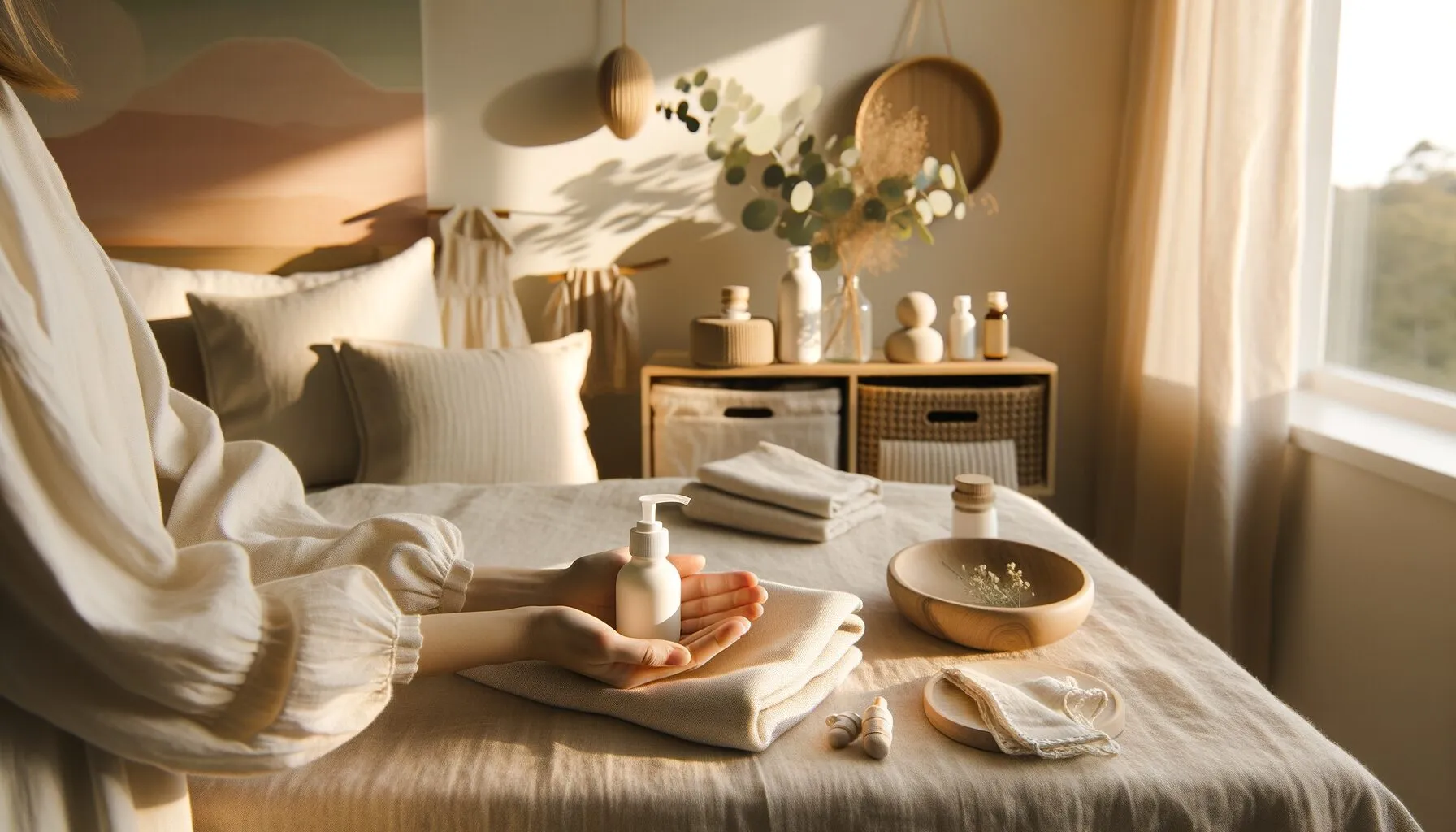
Worried about your newborn's skin peeling? You're definitely not alone. Let's talk about why it happens, how long it lasts, and how you can gently care for that delicate skin—straight from a mum who's seen it twice.
That first bath at home can be a real moment—tiny toes, wriggly arms, and unbelievably delicate skin. The first time I noticed my daughter’s hands and feet peeling, I’ll admit, my heart skipped a beat. There’s something about newborn skin peeling that just looks so much scarier than it feels (for parents, anyway!).
Why Does Newborn Skin Peeling Happen?
If you spot dry flakes on your baby’s tiny fingers or toes, you’re not alone. Both of mine peeled in their first weeks, and I definitely googled it at 2 am. The truth is: peeling skin is incredibly common for newborns in the first days or even weeks.
Here’s what’s actually going on:
- Babies swim in amniotic fluid for months, building up a protective layer called vernix (that creamy white coating some are born with)
- After birth, that layer wears off
- New skin underneath adjusts to the outside world—it adapts and sometimes sheds, which looks like peeling
So, unless there’s redness, blisters, or lots of oozing, it’s usually just a normal part of newborn life. NHS experts reassure parents here that mild skin peeling is nothing to worry about.
How Long Does Newborn Skin Peeling Last?
With my youngest, there were little flakes for almost two weeks. Usually, you’ll notice the worst of it by the end of the first week, with things calming down by week three.
Your baby’s skin is still incredibly soft underneath, and the flaky outer layer gradually disappears on its own. Don’t panic if you see it on hands, feet, or even over the tummy and legs.
Should You Do Anything About Peeling Newborn Skin?
It’s tempting to slather on creams or pick at flaky bits (I totally get it!). But you don’t need to intervene much. Newborn skin is super sensitive, and it usually just needs gentle care. Here’s what’s worked for us:
Keep baths short and warm (aprox 37°C / 98.6°F). Only one every few days is enough—frequent washing can actually make peeling worse.
- Use just water for newborn baths or a tiny bit of fragrance-free, gentle cleanser
- Dab (don’t rub) your baby dry with an ultra-soft towel
- If skin seems extra dry or cracked (especially around ankles or wrists), a small amount of fragrance-free, hypoallergenic baby lotion or gentle baby moisturizer can help
- Avoid picking or peeling the skin!
I love having a stash of soft organic muslin cloths on hand for quick wipe-downs or gentle patting dry—they’re an absolute staple in our home.
When Is Peeling Not Normal?
Okay, there are a few situations where it’s worth speaking with your midwife or GP:
- Peeling comes with redness, yellow ooze, or blisters
- Skin looks very cracked or is bleeding
- Your baby seems really uncomfortable, fussy, or has a fever
Conditions like eczema or infections are rare but possible, especially if you have a family history of sensitive skin. The AAP offers a great guide to spotting these signs.
If you’re uncertain, trust your gut—reaching out for reassurance is never silly.
Keeping Delicate Newborn Skin Happy
Aside from not over-bathing, here are a few things that have kept both of my kids’ skin happier (for the most part!) in those flaky newborn weeks:
- Dress your baby in natural fabrics like cotton—synthetic fibres can sometimes irritate
- Keep indoor temps comfortable: about 22°C (72°F) is perfect (no sweaty sleepers)
- Skip harsh laundry detergents or use special baby laundry detergent for those adorable outfits
- Make sure your baby’s stomach is well-fed—if you’re worried about feeds, check this handy chart on baby stomach size by age
If you’re still adjusting to the wild world of newborn care, don’t miss my practical guide on what to expect in baby’s first 0-6 months and why nights can feel so much harder those first few weeks.
Care, Comfort, and Reassurance
Newborn skin peeling almost always means nothing serious—it just looks dramatic when you’re a tired, protective mum. For most babies, it fades with time and gentle care. If things do look inflamed or you’re just unsure, it’s always okay to get advice from your doctor or midwife.
Honestly, I still smile when I see their old hospital bracelets with flakes of that early skin. It’s a weirdly precious memory in a sea of firsts.
Hope this helps you breathe a little easier. You’re doing great—and so is your baby’s beautiful (even if a little bit flaky) skin.
Frequently asked questions
- Is it normal for newborns to have peeling skin?
- Yes, it's common for newborns to experience skin peeling in the first weeks after birth as their skin adjusts to life outside the womb.
- When should I worry about my baby's skin peeling?
- You should consult a pediatrician if the peeling is accompanied by redness, swelling, blisters, or if your baby seems uncomfortable.
- How can I care for my newborn's peeling skin?
- Keep your baby's skin moisturized with gentle, fragrance-free lotions and avoid over-bathing to help protect their delicate skin.
- How long does newborn skin peeling last?
- Newborn skin peeling typically lasts for the first few weeks and resolves on its own as the baby's skin adapts.
- Can I prevent my newborn's skin from peeling?
- Peeling is a natural process, but you can minimize dryness by using mild cleansers and keeping your baby's skin hydrated.