
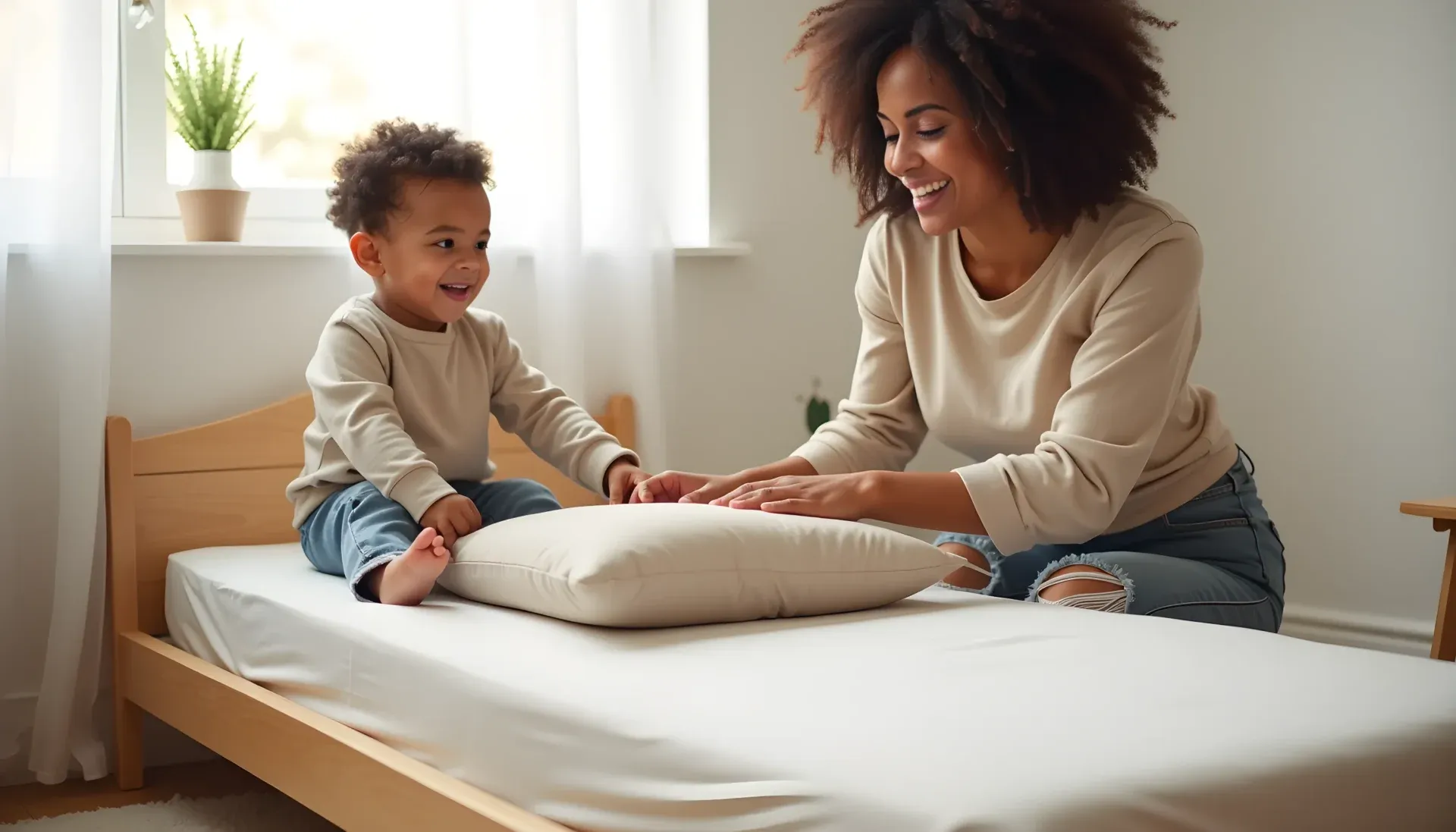
Wondering when can toddler use pillow? Discover expert guidance, safety tips, and key signs your little one is ready for a pillow. Read now for peace of mind.
When Can Toddler Use Pillow? Safe Sleep Tips for Parents
Introducing a pillow to your toddler’s sleep routine is a big milestone, but it’s important to get the timing and approach just right. Many parents wonder: When can toddler use pillow safely? The answer depends on your child’s age, development, and sleep environment. This comprehensive guide covers when and how to introduce a pillow, what to look for, and how to ensure your toddler’s sleep stays safe and comfortable.
Why Timing Matters: Pillows and Toddler Safety
The Risks of Introducing Pillows Too Early
Pillows may seem like a comforting addition, but introducing one too soon can increase the risk of suffocation or Sudden Infant Death Syndrome (SIDS). According to the American Academy of Pediatrics (AAP), soft bedding—including pillows—should be kept out of cribs for babies under 1 year old. Even after the first birthday, caution is essential.
Developmental Readiness and Sleep Safety
The transition from infancy to toddlerhood brings rapid growth and new skills. At around 18-24 months, many children begin moving from a crib to a toddler bed. This is often when parents start to consider introducing a pillow. By this age, toddlers have better head and neck control and are less likely to roll into unsafe positions during sleep.
Want to learn more about moving from crib to bed? Check out our guide on transitioning from crib to toddler bed.
When Can Toddler Use Pillow? The Expert Consensus
The Golden Rule: Wait Until After Age 2
Most pediatric experts recommend waiting until your child is at least 2 years old before introducing a pillow. This guideline is based on safety research and the developmental needs of toddlers. According to the AAP, pillows, loose blankets, and stuffed animals should be kept out of a child’s sleep space until at least age 2 to minimize suffocation risks.
Why Age 2?
- By this age, toddlers have the physical strength to reposition themselves safely if a pillow covers their face.
- The risk of SIDS and accidental suffocation drops dramatically after 12 months and continues to decrease through toddlerhood.
- Children’s sleep needs and positions evolve, making the addition of a pillow more appropriate and comfortable.
Signs Your Toddler May Be Ready for a Pillow
While age is a key factor, every child is unique. Here are some signs your toddler might be ready for a pillow:
– They consistently rest their head on a blanket or stuffed animal during sleep.
– They seem uncomfortable or restless without head support.
– They have transitioned from a crib to a toddler bed.
However, if your child is still sleeping in a crib or frequently moves around during sleep, it may be safer to wait a little longer.
Choosing the Right Pillow for Your Toddler
What to Look For in a Toddler Pillow
Not all pillows are created equal—especially when it comes to toddlers. The right pillow should:
– Be small and firm (usually 12×16 inches), not full-sized or overly fluffy.
– Have a hypoallergenic, breathable filling such as cotton or polyester.
– Feature a removable, washable cover for easy cleaning.
– Be free of embellishments, buttons, or loose threads that could pose a choking risk.
A hypoallergenic toddler pillow with washable cover
What to Avoid
- Avoid adult-sized pillows, memory foam, and feather/down pillows, as these can be too soft or pose allergy risks.
- Skip pillows with decorative elements, zippers, or ties.
Pillow Alternatives and Sleep Positioning
Some toddlers may sleep comfortably without a pillow for several years. Others may benefit from a rolled-up towel or small blanket under the fitted sheet as a gentle transition. Always prioritize a safe, uncluttered sleep space.
Common Concerns: Pillows and Toddler Sleep Problems
Will a Pillow Help My Toddler Sleep Better?
A pillow can provide comfort and support for some toddlers, especially if they begin to sleep on their side. However, not all children need or want a pillow at this stage. Observe your child’s sleep habits. If they sleep soundly without a pillow, don’t feel pressured to introduce one too soon.
Allergies, Asthma, and Pillow Materials
If your toddler has allergies or asthma, choose a pillow labeled hypoallergenic. Wash pillowcases and pillow frequently to reduce dust mites and allergens. For more guidance, see the NHS sleep advice for children.
What if My Toddler Refuses the Pillow?
Some toddlers ignore new pillows or push them away. This is normal! Give your child time to adjust and never force the issue. Comfort and safety are the top priorities.
Pillows and Safe Sleep: What Experts Say
According to the World Health Organization and major pediatric groups, keeping the sleep area free of loose items—including pillows—for as long as possible is safest. After age 2, monitor your child’s response to a pillow and remove it if any issues arise.
If you have concerns or your child has medical conditions affecting sleep or breathing, always consult your pediatrician before introducing a pillow.
Featured Snippet: At What Age Can a Toddler Use a Pillow?
Most experts recommend waiting until your child is at least 2 years old before introducing a pillow. This helps reduce the risk of suffocation and promotes safe sleep. Always choose a small, firm toddler pillow and monitor your child’s comfort and safety as they adjust.
Transitioning to a Toddler Bed: Is It Time for a Pillow?
Switching from a crib to a toddler bed is a major step and often the right time to consider adding a pillow. Many parents find that their child asks for a pillow after moving into a bigger bed. Learn more in our guide to crib to toddler bed transitions.
Establishing Healthy Sleep Routines with a Pillow
Gentle Ways to Introduce a Pillow
- Place the pillow in your child’s bed at bedtime, but let them decide whether to use it.
- Use positive language but avoid pressure.
- Keep the rest of the sleep area free from loose bedding, toys, or stuffed animals.
Looking for sleep strategies for younger children? Explore our advice on gentle newborn sleep routines.
Creating a Consistent Sleep Environment
- Maintain a bedtime routine (e.g., bath, story, cuddles).
- Dim lights and limit screen time before bed.
- Use the same pillow and bedding each night to build association with sleep.
Pillows and Sleep Health: What the Research Says
Research shows that introducing a pillow after age 2 is safe for most healthy toddlers, provided the pillow is appropriately sized and firm. According to the AAP, keeping the sleep environment simple and uncluttered reduces the risk of sleep-related accidents. The World Health Organization also emphasizes the importance of safe sleep practices for young children.
In a survey by Zero to Three, most parents introduced pillows between ages 2 and 3, citing comfort and improved sleep as benefits. However, many toddlers continued to sleep well without one.
Product Recommendations: Best Toddler Pillows
- Ergonomic toddler pillow with hypoallergenic filling and washable cover
- Organic cotton toddler pillow, suitable for sensitive skin
When shopping, search for products specifically marketed as “toddler pillows” to ensure proper size and safety features.
Key Takeaways
- Wait until your child is at least 2 years old before introducing a pillow.
- Choose a small, firm, hypoallergenic toddler pillow.
- Avoid loose bedding, soft toys, or adult-sized pillows in the sleep area.
- Let your toddler decide whether to use the pillow—don’t force it.
- Monitor your child for allergies or changes in sleep after introducing a pillow.
- If you have safety concerns, consult your pediatrician before making changes.
Final Thoughts: Supporting Your Toddler’s Safe Sleep Journey
Navigating sleep transitions can feel overwhelming, but by waiting until your toddler is ready and choosing the right pillow, you can support both safety and comfort. Remember that every child is different. Some may welcome a pillow eagerly, while others might ignore it for months.
Trust your instincts, stay informed, and don’t rush the process. A safe, cozy sleep environment is one of the best gifts you can give your growing toddler.
Disclaimer: This article is for informational purposes only and does not constitute medical advice. Always consult your pediatrician if you have concerns about your child’s sleep or health.
For more guidance on toddler sleep transitions, explore our resources on crib to toddler bed and gentle newborn sleep. For global safe sleep guidelines, visit the World Health Organization and Healthy Children.
Frequently asked questions
- At what age can a toddler safely use a pillow?
- Most experts recommend waiting until your child is at least 2 years old before introducing a pillow for safe sleep.
- What type of pillow is best for toddlers?
- A small, firm, hypoallergenic pillow designed specifically for toddlers is best. Avoid adult-sized, soft, or decorative pillows.
- Are pillows safe for toddlers who still sleep in a crib?
- Pillows are not recommended for toddlers who sleep in a crib due to suffocation risks. Wait until your child transitions to a toddler bed.
- Can a pillow help my toddler sleep better?
- Some toddlers find added comfort with a pillow, but many sleep well without one. Observe your child’s preferences and comfort.
- What should I do if my toddler has allergies?
- Choose a hypoallergenic pillow and wash it regularly to minimize allergens. Consult your pediatrician for advice tailored to your child.