Discover the best shoes for toddlers walking. Learn what features to look for, top tips, and expert advice to support your child’s first steps. Find your perfect pair now!
Introduction: Why the Right Shoes Matter for Toddlers
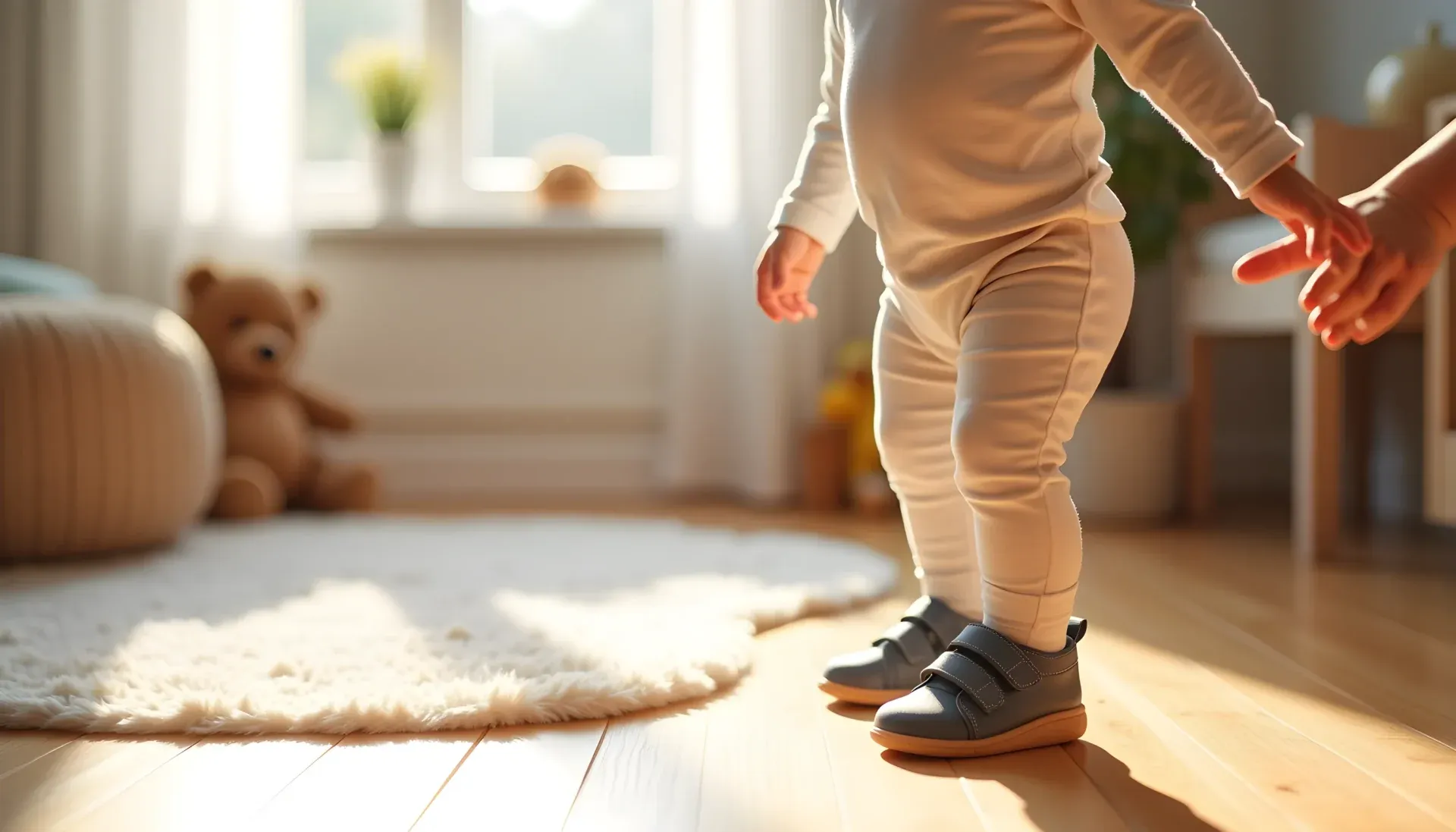
Watching a toddler take their first steps is a milestone filled with joy and excitement. As they begin exploring the world upright, choosing the best shoes for toddlers walking becomes crucial. The right footwear can support healthy foot development, provide necessary protection, and encourage confidence with every step. But with so many options available, how can parents ensure they’re making the best choice for their little one?
This comprehensive guide explores what to look for in toddler walking shoes, key features to prioritize, common mistakes to avoid, and some top recommendations. Whether your toddler is taking tentative steps or already toddling through the house, these insights will help you feel confident about their footwear—and their growing independence.
When Should Toddlers Start Wearing Shoes?
According to pediatric experts, toddlers don’t need shoes until they begin walking outdoors. Barefoot time indoors helps little feet develop strength, balance, and coordination. Shoes become important when your child starts exploring outside, providing protection from sharp objects and uneven surfaces (HealthyChildren.org).
Many parents wonder, “When is my child ready for walking shoes?” Signs include:
- Taking several steps unassisted
- Showing confidence walking across different surfaces
- Trying to explore beyond the safety of home
If your child is still crawling or cruising along furniture, it’s best to let them go barefoot or wear non-slip socks inside. For more on early mobility, see our guide on When Do Babies Crawl.
What Features Make the Best Shoes for Toddlers Walking?
Finding the perfect first pair of shoes can feel overwhelming. Here are the essential features to look for:
1. Flexible Soles
Shoes with flexible, lightweight soles allow toddlers’ feet to move naturally. A good test: try bending the shoe in your hands—if it bends easily at the ball of the foot, it’s a great option. Stiff soles can restrict movement and hamper balance.
2. Lightweight Materials
Light shoes won’t weigh down tiny feet, making it easier for toddlers to walk comfortably. Breathable fabrics like leather or mesh keep feet cool and dry.
3. Secure Fit
Look for shoes with adjustable closures, such as Velcro or elastic laces. This ensures a snug fit without being too tight. Shoes that slip off or pinch can make walking difficult and uncomfortable.
4. Wide Toe Box
Toddlers’ toes need space to splay and grip as they learn to balance. Avoid shoes with pointy or narrow toes. A roomy toe box supports natural movement and healthy development.
5. Non-Slip, Grippy Outsole
A textured, slip-resistant sole provides traction on different surfaces. This helps prevent slips and falls as your toddler explores the world.
6. Supportive Heel Cup
A firm, gently padded heel helps stabilize the foot and prevent shoes from slipping off. However, the shoe should never be rigid or high above the ankle, which could restrict movement.
Common Mistakes When Buying Toddler Walking Shoes
Choosing the right shoes isn’t just about style. Here are some pitfalls to avoid:
1. Buying Shoes That Are Too Big
It’s tempting to size up so shoes last longer, but oversized shoes can trip up new walkers and hinder balance. There should be about a thumb’s width of space between the longest toe and the front of the shoe.
2. Opting for Heavy, Stiff Shoes
Shoes with thick, inflexible soles or heavy materials can make walking awkward. Lightweight, flexible shoes are best for this stage.
3. Ignoring Fit and Comfort
Always check the fit at the end of the day, when feet are slightly bigger. Try shoes on both feet, as one may be larger than the other.
4. Choosing Fashion Over Function
While adorable designs are hard to resist, prioritize comfort, fit, and developmental needs over looks. Many stylish shoes lack the support toddlers require.
Top Picks: Best Shoes for Toddlers Learning to Walk
Here are some popular types of toddler shoes that consistently receive positive feedback from parents and experts:
Soft-Soled Shoes
Perfect for early walkers, soft-soled shoes mimic barefoot walking while offering protection. They’re ideal for indoor use or gentle outdoor play.
Lightweight Sneakers
Sneakers designed specifically for toddlers feature flexible soles, breathable materials, and secure closures. These are great for active play outdoors.
Sandals with Closed Toes
For warmer climates, closed-toe sandals protect little toes while allowing airflow. Look for models with adjustable straps and a grippy sole.
Water Shoes
If your toddler loves splashy adventures, water shoes with flexible, non-slip soles offer protection at the pool, beach, or splash pad.
How to Measure Your Toddler’s Feet Accurately
Proper sizing is key to finding the best shoes for toddlers walking. Here’s how parents can measure at home:
- Place a piece of paper on a flat surface.
- Stand your toddler on the paper (with socks if they’ll wear them).
- Mark the tip of the longest toe and the back of the heel.
- Measure the distance and compare with shoe size charts.
Repeat for both feet and choose the size based on the larger foot. Remember to check sizing every 2-3 months, as toddler feet grow quickly.
Do Toddlers Need Arch Support in Shoes?
Most healthy toddlers do not need built-in arch support, according to the American Academy of Pediatrics. At this age, flat feet are normal, and the arch usually develops over time. Instead, focus on flexible soles and roomy toe boxes.
If you have concerns about your child’s gait or foot shape, consult a pediatrician or pediatric podiatrist before choosing specialty shoes.
Best Materials for Toddler Shoes
Selecting the right materials is important for comfort and health:
- Leather: Durable, breathable, and molds to the foot over time.
- Mesh or Canvas: Lightweight and airy for warmer months.
- Rubber Soles: Offer grip and flexibility without being too thick.
Avoid synthetic materials that don’t allow air flow, as they can lead to sweaty feet and discomfort.
Cleaning and Maintaining Toddler Shoes
Active toddlers put shoes through a lot. To keep them clean and in good shape:
- Wipe leather shoes with a damp cloth.
- Wash fabric shoes according to manufacturer instructions.
- Air dry thoroughly before next use.
- Check regularly for wear or outgrown sizes.
Rotating between two pairs can extend the life of each and ensure your toddler always has dry, comfortable shoes to wear.
What Shoes Should Toddlers Wear Indoors?
The best option for indoor play is barefoot, as long as the environment is safe. If needed, non-slip socks or soft-soled shoes offer some protection while allowing natural movement. For more on early milestones and what to expect in the first months, visit our guide: 0-6 Months What to Expect.
Gentle Tips for Introducing Shoes to Your Toddler
Toddlers may resist new shoes at first. Here are some supportive strategies:
- Let them explore shoes with their hands and mouth before wearing.
- Put shoes on for short periods, gradually increasing time.
- Offer praise and encouragement for wearing shoes.
- Choose shoes with fun designs or colors your toddler likes.
Many parents find their child quickly adjusts once they realize shoes mean more adventures outside!
Quick Answer: What Are the Best Shoes for Toddlers Learning to Walk?
The best shoes for toddlers learning to walk are lightweight, flexible, and have a wide toe box with non-slip soles. Prioritize fit and comfort over style, and choose materials that allow feet to breathe for healthy development.
Key Takeaways
- Wait to introduce shoes until your toddler is walking outdoors.
- Prioritize flexible soles, secure fit, and a roomy toe box.
- Measure feet regularly and avoid buying shoes that are too big.
- Choose breathable materials to prevent discomfort and skin irritation.
- Rotate between pairs for cleanliness and to accommodate rapid growth.
When to Seek Professional Advice
If your toddler frequently trips, walks on their toes, or seems uncomfortable in any shoes, consult a pediatrician or podiatrist. According to the World Health Organization, most walking patterns normalize with time, but persistent issues deserve attention. Never attempt to correct foot shape or gait with specialty shoes without medical input.
Resources for Parents
For more insights on early development milestones, check out:
For expert guidance on foot health, visit:
Encouragement for Parents
Supporting your toddler’s first steps is a special part of their growth journey. With the right shoes, you can offer comfort, safety, and the freedom to explore. Remember, the best shoes for toddlers walking are those that fit well, feel good, and encourage confident movement. Enjoy every wobbly, wonderful step!
Disclaimer: This article is for informational purposes only. Always consult a healthcare professional with specific concerns about your child’s feet or development.
Frequently asked questions
- When should toddlers start wearing shoes?
- Toddlers should wear shoes when they begin walking outdoors to protect their feet. Indoors, barefoot or non-slip socks are best for foot development.
- What features are most important in toddler walking shoes?
- Flexible soles, lightweight materials, a roomy toe box, and non-slip soles are key features. Shoes should fit securely without being tight or restrictive.
- How often should I measure my toddler’s feet?
- Check your toddler’s shoe size every 2-3 months, as their feet can grow rapidly during this stage.
- Do toddlers need arch support in their shoes?
- Most healthy toddlers do not need built-in arch support. Focus on flexible shoes that support natural foot movement.
- What are the best materials for toddler walking shoes?
- Breathable materials like leather or mesh are best, paired with flexible rubber soles for traction and comfort.