
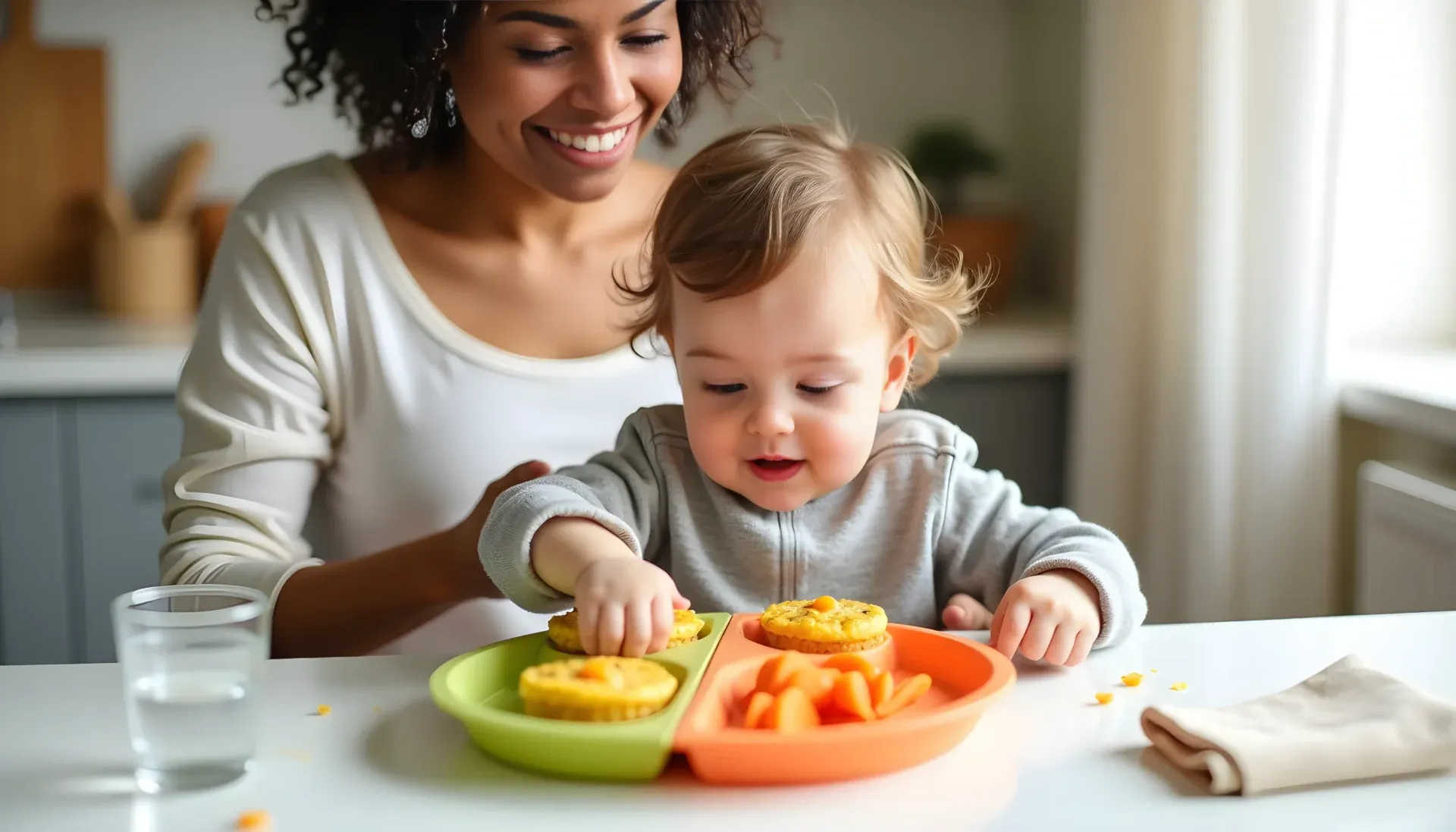
Discover easy toddler meal ideas for fussy eaters! Find nutritious recipes, practical tips, and solutions to encourage healthy eating habits in picky toddlers. Click to learn more.
Toddler Meal Ideas: Easy Meals for Fussy Eaters
Feeding a toddler can be a challenging adventure, especially when dealing with fussy eaters. Many parents find themselves worrying about whether their child is getting enough nutrition, variety, or simply enough food. The toddler years (ages 1-2) are known for unpredictable appetites and resistance to new foods. However, with a little creativity and understanding, mealtimes can become enjoyable and stress-free for everyone at the table. This guide offers a wealth of toddler meal ideas, practical strategies for picky eating, and tips to help even the most hesitant eaters explore new flavors and textures.
Understanding Fussy Eating in Toddlers
Fussy eating is extremely common in early childhood. During the toddler years, children are exploring their independence, which often shows up at the dinner table. According to Zero to Three, picky eating peaks between ages 1 and 3. This behavior is usually temporary, but it can be frustrating for caregivers.
Common reasons for fussy eating include:
– Natural developmental stage of asserting independence
– Slower growth rates, leading to smaller appetites
– Sensitivity to new textures, smells, or flavors
– Desire for control over choices
– Distractions or tiredness at mealtimes
While it may seem like your toddler is barely eating, most children get enough nutrition over the course of a week—even if they eat very little at one meal or another.
When to Worry About Your Toddler’s Eating Habits
Most fussy eating is normal and resolves with time. However, consult a healthcare professional if your child:
– Consistently refuses all foods from one or more food groups
– Is losing weight or not growing as expected
– Shows persistent difficulty swallowing or chewing
– Has ongoing vomiting or diarrhea
For typical picky eating, patience and persistence are key. For more on this topic, see our guide on Toddler Not Eating.
Key Principles for Toddler Meal Planning
Balancing nutrition and appeal is essential. Here are some guiding principles:
- Offer variety: Present a range of foods, colors, and textures. Rotating options keeps meals interesting.
- Keep portions small: Toddlers have little stomachs. Serving too much can be overwhelming.
- Prioritize finger foods: Many toddlers love to feed themselves. Bite-sized pieces encourage independence.
- Pair new with familiar: Serve a new food alongside a favorite, so the meal feels less daunting.
- Stay consistent: Regular meal and snack times help form healthy habits.
- Avoid pressure: Forcing or bribing can make picky eating worse. Let your child decide what and how much to eat from what is offered.
Easy Toddler Meal Ideas for Fussy Eaters
Below are practical, nutritious meal ideas for breakfast, lunch, snacks, and dinner. Each suggestion can be customized to suit your child’s preferences and your family’s dietary needs.
Breakfast
1. Fruit and Yogurt Parfait
Layer plain or lightly sweetened yogurt with diced soft fruits (banana, berries, mango) and a sprinkle of crushed whole grain cereal. Let your toddler help build their own parfait for extra fun.
2. Mini Veggie Omelet Muffins
Whisk eggs, add chopped spinach, tomatoes, and a bit of cheese. Pour into muffin tins and bake. These bite-sized omelets are easy to hold and can be made ahead.
3. Oatmeal Fingers
Cook oats with milk or water, mix in mashed banana, and bake in a shallow pan until firm. Cut into strips for easy grabbing. Add cinnamon or a handful of raisins for variety.
Explore more ideas on introducing first foods.
Lunch
1. Rainbow Veggie Quesadillas
Spread mashed beans and shredded cheese on a whole wheat tortilla. Add finely chopped bell peppers or carrots in different colors. Fold, cook until crisp, and cut into triangles.
2. DIY Lunchables
Offer small sections of whole grain crackers, diced cheese, cooked chicken or turkey pieces, and cucumber rounds. Toddlers enjoy assembling their own bites.
3. Pasta Salad with Hidden Veggies
Combine cooked small pasta shapes with peas, corn, carrot shreds, and a mild dressing (like plain yogurt or olive oil). Mix in finely chopped spinach for added greens.
Snack Time Solutions
1. Apple Sandwiches
Slice apples into rounds, spread with nut butter (or seed butter for allergies), and sandwich two slices together. Add a sprinkle of cinnamon or a few raisins for fun.
2. Veggie Dippers
Offer soft-cooked carrot sticks, cucumber slices, or sweet pepper strips with a dip such as hummus or plain yogurt.
3. Mini Rice Cakes with Toppings
Top mini rice cakes with mashed avocado, cream cheese, or fruit puree. Let toddlers choose their own toppings for engagement.
Dinner
1. Hidden Veggie Meatballs
Mix ground meat or lentils with grated zucchini, carrot, and breadcrumbs. Shape into small balls and bake. Serve with a favorite dipping sauce or tomato-based pasta sauce.
2. Mild Chicken or Lentil Curry
Serve a gentle curry with soft-cooked vegetables, mild spices, and coconut milk. Offer with rice or soft flatbread, cut into strips for self-feeding.
3. Cheesy Broccoli Rice Bake
Combine cooked rice, steamed broccoli, and a little grated cheese. Bake until bubbly. Cut into squares for easy serving.
4. Fish Cakes with Sweet Potato
Mix cooked flaked fish with mashed sweet potato and a bit of egg. Form into small patties and pan-fry until golden. Serve with a side of peas or corn.
Make-Ahead and Freezer-Friendly Meals
Batch cooking can ease the stress of daily meal prep. Try these ideas for the freezer:
– Mini chicken or veggie muffins
– Small portions of cooked pasta with sauce
– Bite-sized pancakes or waffles (made with mashed fruit or veggies)
– Steamed vegetable sticks
Compact food processor for chopping veggies and mixing batters
Strategies to Encourage Fussy Toddlers to Try New Foods
Create a Positive Mealtime Environment
- Eat together as a family whenever possible. Children learn by watching others eat.
- Keep screens and toys away from the table to help your toddler focus on eating.
- Offer praise for trying new foods, but avoid pressure or punishment.
Use Fun Presentations
- Cut foods into fun shapes with cookie cutters.
- Arrange foods into smiley faces or colorful rainbows.
- Serve meals in divided plates to keep foods separate.
Offer Repeated Exposure
Research shows that toddlers may need to see, touch, and taste a new food up to 10-15 times before accepting it (according to Zero to Three). Gentle persistence without pressure helps build familiarity.
Involve Your Toddler
Let your child help wash vegetables, stir batter, or choose between two healthy options. Involvement increases interest and acceptance.
Silicone divided plates to keep foods separate
Nutritional Considerations for Toddler Meals
At this age, children need a balance of carbohydrates, protein, healthy fats, fruits, and vegetables. Avoid added sugars and high-salt foods. According to the World Health Organization, toddlers should have a variety of foods from each food group daily.
Sample Balanced Toddler Meal
- Protein: Soft-cooked beans or shredded chicken
- Carbohydrate: Small pasta shapes or rice
- Vegetable: Steamed broccoli or carrots
- Fruit: Sliced banana or pear
- Dairy: Yogurt or cheese
For more information, see the WHO guidelines on child nutrition.
Answering: How Can I Get My Toddler to Try New Foods?
Encourage your toddler to try new foods by offering them alongside familiar favorites, involving them in meal prep, and presenting foods in fun, appealing ways. Avoid pressure and celebrate small tastes or bites. Repeated exposure, patience, and a positive attitude go a long way toward expanding your child’s palate.
Key Takeaways
- Offer new foods repeatedly, even if they’re initially rejected.
- Serve small, manageable portions to avoid overwhelming your toddler.
- Pair new options with familiar favorites for comfort.
- Make food fun using shapes, colors, and child-friendly presentations.
- Involve toddlers in shopping, prepping, and serving meals for greater interest.
- Stay calm and patient—picky eating is usually a normal phase.
When to Seek Additional Support
If your toddler consistently refuses entire food groups, shows signs of poor growth, or mealtime struggles cause significant stress, consult with a pediatrician or registered dietitian. For most children, fussy eating resolves with time and gentle encouragement.
For more strategies, read our post on Picky Eater Solutions.
Encouraging a Healthy Relationship With Food
The toddler years lay the foundation for lifelong eating habits. By offering a variety of healthy foods without pressure, you help your child develop a positive relationship with food. Celebrate small victories, stay consistent, and remember that most picky eating is a passing stage.
For expert advice on childhood nutrition, visit HealthyChildren.org or UNICEF Parenting.
Warm Closing
Navigating picky eating can be challenging, but with patience, creativity, and the right meal ideas, you can help your toddler develop healthy habits that last a lifetime. Remember, you’re not alone—many families face similar struggles, and progress can come one bite at a time. Happy mealtimes!
Frequently asked questions
- What are some quick toddler meal ideas for picky eaters?
- Try mini veggie omelet muffins, rainbow quesadillas, pasta salad with hidden veggies, and fruit and yogurt parfaits. These are nutritious, easy to prepare, and appeal to fussy eaters.
- How do I get my toddler to try new foods?
- Offer new foods alongside favorites, involve your child in meal prep, and present foods in fun shapes. Repeated exposure without pressure works best.
- Is it normal for toddlers to refuse vegetables?
- Yes, it's common for toddlers to be wary of vegetables. Keep offering them in different forms and combine with familiar foods to encourage acceptance.
- How much should a 1-2 year old eat at each meal?
- Toddlers need small, frequent meals. Serve 1-2 tablespoons of each food group per meal and let your child decide how much to eat.