
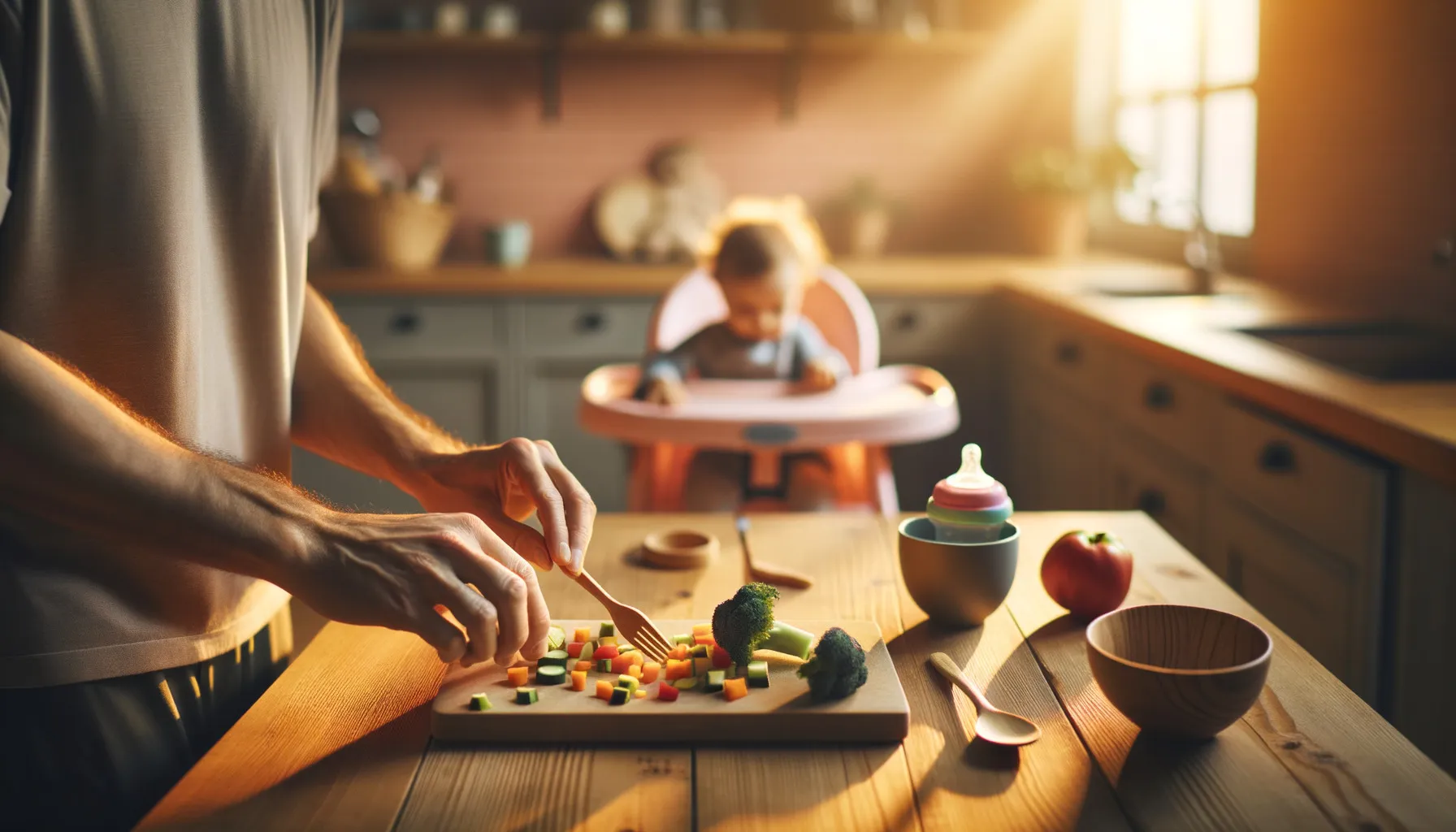
Worried your toddler isn't eating? Here’s a mum’s honest take on what’s normal, what’s not, and practical tips for stress-free mealtimes with your one to two year old.
If I had a pound for every time my toddler refused dinner, I’d probably afford a private chef — not that it would help. At some point, nearly every parent of a one to two year old ends up asking the same worried question: “Why is my toddler not eating?” I’ve been there, staring at untouched peas and pasta, wondering what on earth I’m doing wrong. Spoiler: you’re probably not doing anything wrong at all.
Why Toddlers Suddenly Stop Eating
One week it’s three helpings of porridge. The next, not even a nibble. Sound familiar? Around the one-year mark, some kids decide they’ve had enough of food. My eldest practically lived on toast for two months after her first birthday. It turns out this is completely normal — appetite naturally dips as growth slows down.
After a wild first year, weight gain eases off, and toddlers don’t need as many calories as they did as babies (the science backs this up — see NHS: Fussy Eaters). They’re also suddenly so busy exploring the world, eating just doesn’t seem as exciting as licking window panes or running off with the dog’s bowl.
If you’re new to the wild ride that is toddler eating, have a peek at Baby 0-6 Months What to Expect for a refresher on how feeding shifts so dramatically after their first year.
Typical Reasons for Toddler Not Eating
I used to overanalyze every skipped lunch. But honestly, most reasons are less dramatic than we think:
- Not hungry: Toddlers regulate their intake naturally. Some days they’re just not hungry — strange but true!
- Teething: Sore gums can put anyone off chewing. Here’s how to spot baby teething signs, and yes, this can still show up well into the second year.
- Too tired: My youngest collapses at dinner, sometimes falling asleep mid-bite. Overtired = little appetite.
- Drinking too much milk or juice: If they fill up on liquid calories, they’re not as eager for food.
- Feeling unwell: Any virus or upset tummy will shrink their appetite for a day or two.
- Big distractions: Honestly, dogs under the table or a passing bin lorry trump peas every time.
Is Your Toddler’s Not Eating Actually a Problem?
It’s easy to go from “they skipped lunch” to “malnourished by next week”. But most toddlers make up for rough patches. Here’s what the NHS and World Health Organization say matters more:
- Steady weight gain following their unique curve
- Growing out of clothes gradually
- Loads of energy to run, climb, and get into mischief
If you’re not sure about their size or growth, check out Baby Stomach Size by Age for surprising perspective on just how little food kids actually need. It calmed me right down on days they ate three spoonfuls and called it a feast.
When to Worry
Of course, some red flags do deserve extra attention:
- No interest in any food or drink for 24+ hours
- Dramatic weight loss
- Refusing fluids entirely
- Listless or unusually sleepy
If you spot these, it’s best to ring your health visitor or GP.
Realistic Tips for When Your Toddler Won’t Eat
I know the temptation to bribe, beg, or cheerlead through every mouthful. But after coming out the other side (mostly) with two little eaters, here’s what truly helped:
1. Offer, Don’t Force
Picture this: my toddler launches a lovingly crafted omelette onto the floor. Do I force more? Nope. I offer, stay neutral, clean up, and try again tomorrow. It’s infuriating at times, but pressure almost always backfires. The more we stress, the more they dig their heels in (yep, learned this the hard way).
2. Stick to Regular Mealtimes
This sounds simple, but it helps. We aim for breakfast, lunch, and dinner at roughly the same times, with one or two snacks. Familiar structure gives toddlers confidence and means they know food will always be offered again soon.
3. Small Portions, No Drama
Serving up a mountain of food intimidates most kids. I start with just a couple of spoons’ worth — oddly, offering less means they sometimes eat more. If the food vanishes, I offer a bit more.
4. Make Food Easy to Eat
Bite-sized, soft foods are gold at this age. Think steamed carrots, cucumber sticks, toast soldiers, soft cheese, and plain pasta. When my daughter was in a “white food only” phase, I just rolled with it and kept smuggling veggies into pancake batter.
5. Let Them Get Involved
If you can bear the mess, get them stirring, sprinkling, or picking which topping goes on toast. My eldest would eat anything she “helped” make — and nothing else, naturally.
6. Watch the Drinks
Too much milk or juice fills tiny tummies and kills their appetite for hours. The NHS recommends no more than 350–400ml (12–14oz) of milk a day for this age group. Water is best between meals — see When Can Babies Drink Water.
7. Model Enjoying Food Yourself
I didn’t love greens until my kids caught me munching them. Try eating together as much as possible, even if it means balancing your own meal on the edge of their highchair tray.
8. Don’t Make Dessert Conditional
This is controversial, but we serve fruit or simple yoghurt whether they’ve eaten dinner or not. It keeps food neutral and stops dessert becoming the Holy Grail.
What NOT to Worry About
A few things I’ve learned to stop losing sleep over:
- Toddlers eating the same food days in a row
- Odd food preferences (ketchup on rice, anyone?)
- Skipping entire meals occasionally
- Playing with food more than eating it
Food is about exploration as much as nutrition at this stage. Best First Foods for Your One Year Old has ideas for easy, varied options if you’re stuck.
When Picky Eating Isn’t What It Seems
Some pickiness is totally normal. But if your child is always refusing entire food groups for weeks or is stressed by new textures, it may be worth a chat with your GP. Sometimes things like sensory issues or undiagnosed allergies are at play (see how to introduce allergenic foods safely).
Trust Yourself: Toddlers Are More Resilient Than We Think
Some days, dinner is two grapes and a breadstick. That’s okay. If you’re serving a variety of foods over the week and your little one is growing, you’re doing brilliantly. The phase passes — and if it doesn’t, there’s no shame in getting help from a registered dietitian or paediatrician.
Above all, remember you’re not alone in the ‘toddler not eating’ panic. Most of us are quietly picking up peas off the floor, too. If you’re looking for more gentle feeding ideas, I shared what worked (and didn’t!) while navigating those tough weeks in my first foods for new eaters guide.
Recommended Products
Here are some products that can help with this topic:
Frequently asked questions
- Why is my toddler suddenly not eating?
- Toddlers often eat less due to growth slowdowns, asserting independence, or changes in routine. It's usually normal and temporary.
- What should I do if my toddler refuses meals?
- Stay calm, avoid pressuring them, offer a variety of healthy foods, and keep mealtimes positive. Most toddlers will eat when they're hungry.
- When should I worry about my toddler not eating?
- Consult your pediatrician if your child is losing weight, seems lethargic, or shows signs of illness along with refusing food.
- How can I encourage my toddler to eat more?
- Offer small portions, let them self-feed, involve them in meal prep, and maintain regular meal and snack times.
- Is it normal for toddlers to be picky eaters?
- Yes, picky eating is common in toddlers as they explore new foods and assert independence. Patience and consistency help over time.