
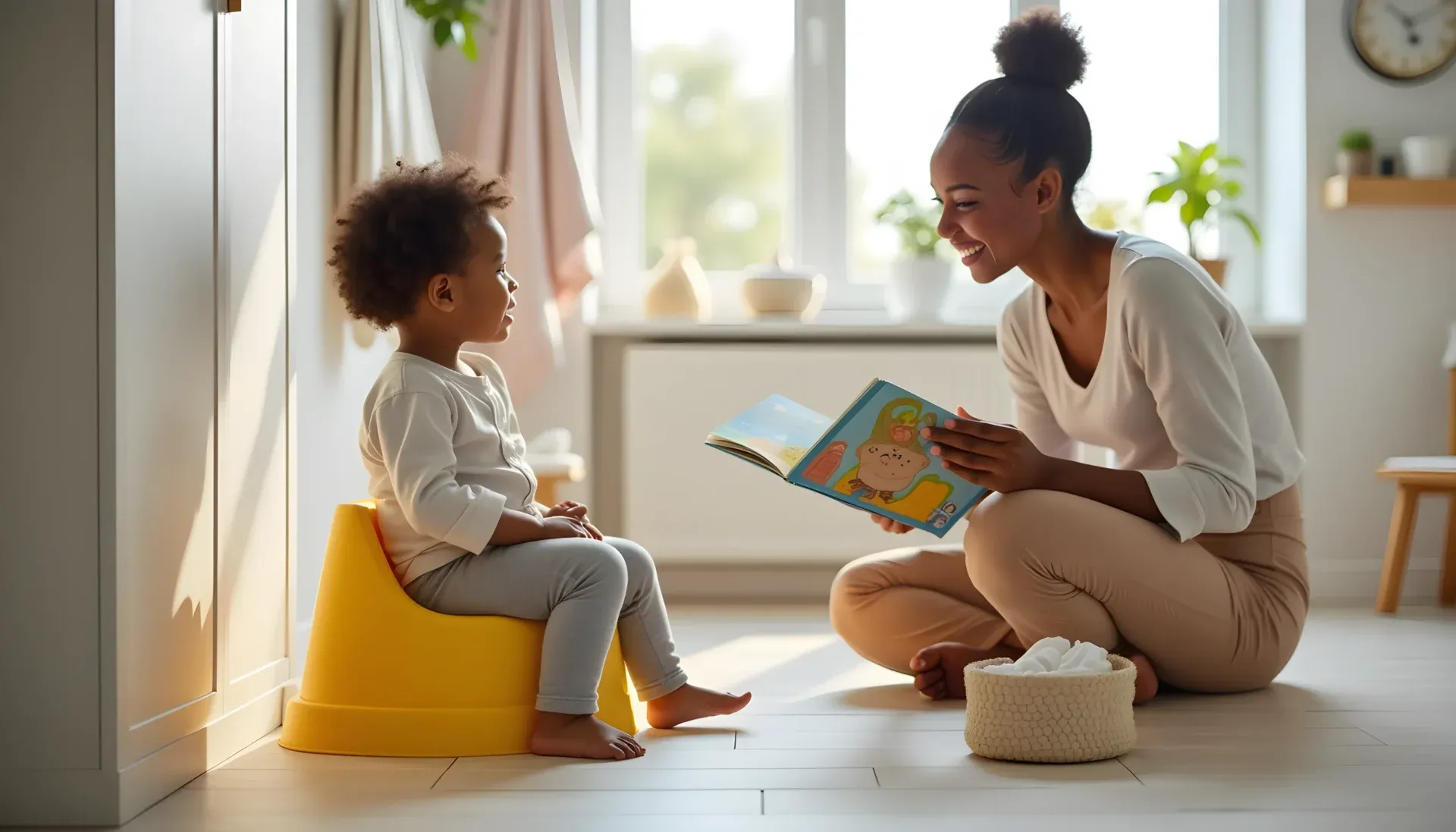
Wondering when to start potty training? Learn the key signs of readiness, expert-backed methods, and step-by-step tips for a smooth transition. Start confidently!
Understanding When to Start Potty Training
Potty training is a major milestone for toddlers and parents alike. Many caregivers wonder exactly when to start potty training and how to make the process as smooth as possible. While every child is unique, there are common signs of readiness and proven steps to guide families through this important transition.
Typical Age Range for Potty Training
Most toddlers begin to show signs of readiness for potty training between 18 and 30 months of age. However, according to the American Academy of Pediatrics, some children may not be developmentally ready until closer to age 3. It’s important to remember that there is no “perfect” age; rather, the best time is when your child exhibits both physical and emotional readiness.
Why Potty Training Timing Matters
Starting too early may lead to frustration for both you and your toddler, potentially causing setbacks or potty training regression. On the other hand, waiting until your child is ready promotes confidence and a smoother process. Being attuned to your child’s cues helps avoid unnecessary stress and supports healthy development.
Signs Your Toddler Is Ready for Potty Training
Recognizing the signs of readiness is essential for success. Here are key indicators to look for:
- Physical readiness: Your child can stay dry for at least two hours, has regular bowel movements, and can pull pants up and down.
- Cognitive readiness: Your toddler can follow simple instructions and understands the concept of using the toilet.
- Behavioral readiness: Shows curiosity about bathroom habits, expresses discomfort with dirty diapers, or asks to use the toilet.
- Communication skills: Can communicate needs, such as saying or gesturing when they need to go.
Many parents find that a child who starts hiding to urinate or have a bowel movement, or who is interested in family members’ bathroom habits, is likely nearing readiness.
How to Prepare for Potty Training
Preparation is key for a positive potty training experience. Creating a supportive environment and gathering the right tools can make a significant difference.
Choosing the Right Potty Equipment
There are two main options:
– Stand-alone potty chairs: These are toddler-sized and can be placed anywhere in the home.
– Potty seats: These fit onto a regular toilet, often with a step stool for easy access.
Some toddlers prefer one over the other, so consider letting your child help choose their potty. A comfortable, easy-to-clean potty chair with a fun design can make training more inviting.
Setting Up a Potty-Friendly Environment
Place the potty in a convenient and accessible location, whether that’s the bathroom or another room where your child spends time. Keep extra clothes and wipes nearby for easy clean-up. Reading a book or watching a brief video about potty training can also help your child understand the process.
Talking About the Process
Use simple, positive language to explain what the potty is for. Demonstrate how to use it, either by example or with a favorite stuffed animal. Praise your child’s curiosity and reinforce that learning is a team effort.
Steps for Successful Potty Training
Once you’ve decided when to start potty training, following a step-by-step approach helps build confidence and consistency.
Step 1: Introduce the Potty
Let your child explore the potty chair or seat. Encourage them to sit on it fully clothed at first to get comfortable.
Step 2: Establish a Routine
Have your child sit on the potty at regular times, such as after meals, before bath time, or whenever they show signs of needing to go. Consistency helps toddlers learn the pattern.
Step 3: Encourage Practice
Gradually encourage your child to try using the potty without a diaper. Celebrate attempts, even if nothing happens at first. Many caregivers find that offering praise or a small reward for each try keeps motivation high. A potty training sticker chart can help track progress and encourage your toddler.
Step 4: Teach Proper Hygiene
Show your child how to wipe correctly, wash hands thoroughly, and flush the toilet. Make these steps part of the routine every time.
Step 5: Transition to Underwear
Once your child consistently uses the potty during the day, consider switching to training pants or underwear. Letting your child choose their own underwear can be exciting and reinforce their progress.
Step 6: Nighttime Training
Staying dry at night often takes longer. Use training pants or a waterproof mattress cover to protect bedding. Most children achieve nighttime dryness several months after daytime training.
Potty Training Methods: Choosing What Works Best
There are several popular potty training approaches. Selecting the right one depends on your child’s temperament and your family’s routine.
Child-Led Potty Training
This gentle, gradual approach follows your child’s interest and readiness. You encourage, but never force, potty use. Many families find this method less stressful, as it allows the child to take the lead at their own pace.
Parent-Led Potty Training
Here, parents set a schedule for potty times and encourage the child to try at regular intervals. This method can be helpful for caregivers who need a more structured approach, especially if their child responds well to routines.
Intensive Potty Training (3-Day Method)
Some families choose a focused, short-term approach, such as the three-day method. This involves staying home for several days, letting the child go diaper-free, and offering frequent potty opportunities. Success depends on the child’s readiness and the family’s ability to remain patient and positive throughout the process.
Learn more about managing setbacks in our guide to potty training regression.
Common Challenges and Solutions
Even with the best preparation, challenges can arise. Here’s how to handle some of the most frequent issues:
Accidents
Accidents are a normal part of potty training. Respond calmly, clean up together, and reassure your child that mistakes happen as they learn.
Resistance to Potty Training
Some toddlers show resistance, especially if they feel pressured. Take a break, maintain a positive attitude, and try again when your child shows renewed interest.
Regression
Occasionally, a child who has been using the potty successfully may start having accidents again—this is known as potty training regression. It’s often triggered by changes such as moving, starting childcare, or a new sibling. Offer reassurance and gently return to your potty routine. For more help, read our article on potty training regression.
Nighttime Wetting
Nighttime dryness often develops later than daytime control. Continue using training pants at night and celebrate dry mornings. Most children outgrow bedwetting with time.
If you’re also transitioning your child’s sleep routine, see our tips on moving from crib to toddler bed.
Expert-Backed Tips for Potty Training Success
- Stay positive: Praise efforts, not just successes.
- Use simple reminders: Gentle prompts help toddlers remember to try the potty.
- Dress for success: Easy-to-remove clothing supports independence.
- Model the behavior: Allow your child to observe family members using the toilet.
- Read together: Books about potty training can make the process feel familiar and fun. A board book about potty training with engaging illustrations.
Answering: What Is the Best Age to Start Potty Training?
Most children are ready to start potty training between 18 and 30 months, but the best age depends on individual readiness signs—not just age alone. Look for cues like staying dry for two hours, following instructions, and showing interest in the potty.
Key Takeaways
- Watch for readiness signs such as staying dry for two hours, communicating needs, and interest in bathroom habits.
- Start introducing the potty and discussing its use before removing diapers completely.
- Establish a consistent routine, offer praise, and avoid punishment for accidents.
- Nighttime dryness may take longer—use training pants and be patient.
- If regression happens, stay calm and gently return to the routine.
Useful Resources
For more detailed information on developmental readiness and toilet training, visit HealthyChildren.org or the World Health Organization.
Final Thoughts
Potty training is a journey unique to every toddler and family. By waiting for signs of readiness, preparing thoughtfully, and responding with patience and encouragement, parents can help their child navigate this milestone with confidence. Celebrate each step, and remember that setbacks are normal parts of learning. With support and consistency, your child will master this important skill in their own time.
Disclaimer: This article offers general tips for potty training. For concerns about your child’s development or readiness, consult your pediatrician or healthcare provider.
Frequently asked questions
- What age should you start potty training?
- Most children are ready to start potty training between 18 and 30 months, but it depends on readiness signs rather than age alone.
- How do I know my child is ready for potty training?
- Look for signs like staying dry for two hours, following simple instructions, showing interest in the toilet, and communicating needs.
- What if my child resists potty training?
- Take a break and try again later. Avoid pressure or punishment, and focus on encouragement and positive reinforcement.
- How long does potty training usually take?
- Potty training duration varies, but most children take between three and six months to become reliably trained during the day.
- Is nighttime potty training different from daytime?
- Yes, nighttime dryness often develops later. It's normal for children to need training pants at night for several months after they're daytime trained.